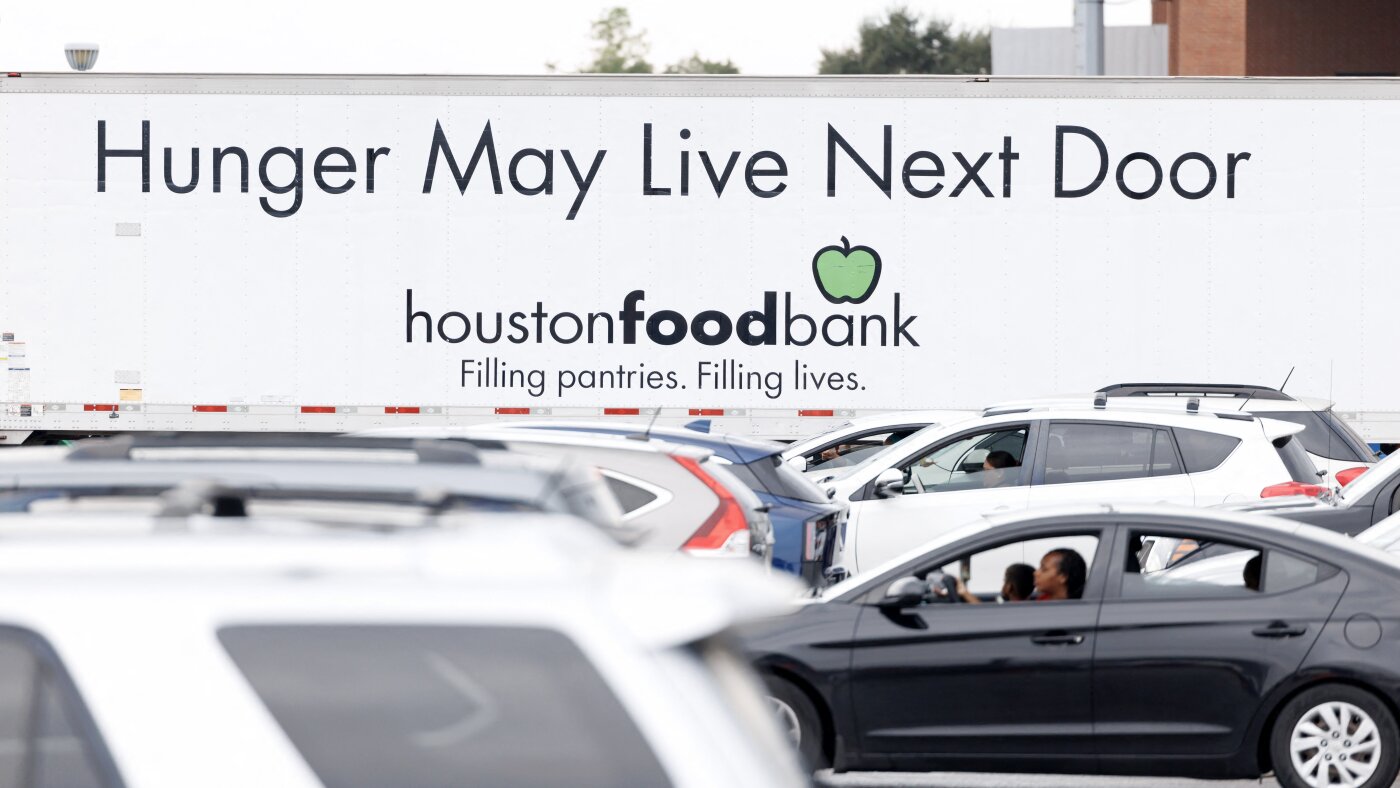
Food Insecurity Surge - corporate earnings, revenue guidance, and expectations tracking. A recent survey from the Federal Reserve Bank of New York indicates that food insecurity currently affects more U.S. families than at the height of the COVID-19 pandemic. The findings suggest that persistent cost-of-living pressures continue to strain household budgets despite a historically strong labor market.
Live News
Food Insecurity Surge - corporate earnings, revenue guidance, and expectations tracking. Some investors find that using dashboards with aggregated market data helps streamline analysis. Instead of jumping between platforms, they can view multiple asset classes in one interface. This not only saves time but also highlights correlations that might otherwise go unnoticed. The Federal Reserve Bank of New York’s latest Survey of Consumer Expectations reveals that the share of households reporting an inability to afford sufficient food has risen above the levels observed during the worst months of the coronavirus pandemic. The survey measures self-reported food insecurity, capturing the percentage of respondents who stated they sometimes or often did not have enough to eat over the prior 12 months. This increase comes at a time when headline inflation has moderated from its 2022 peaks and the unemployment rate remains near historic lows. However, the data suggests that cumulative price increases in essential categories such as groceries, rent, and utilities continue to erode purchasing power for many households. The New York Fed survey is closely watched as a real-time indicator of consumer financial health, and its latest reading points to a widening gap between aggregate economic growth and the lived experience of lower- and middle-income families. The survey’s methodology captures a broad cross-section of U.S. households, and the rise in food insecurity is consistent with other recent data, including the U.S. Department of Agriculture’s annual food security reports and polling from organizations such as the U.S. Census Bureau’s Household Pulse Survey. Together, these sources indicate that the financial scars of the pandemic-era inflation cycle have not fully healed.
Food Insecurity Rising: More Families Face Hunger Than During Pandemic Peak Understanding liquidity is crucial for timing trades effectively. Thinly traded markets can be more volatile and susceptible to large swings. Being aware of market depth, volume trends, and the behavior of large institutional players helps traders plan entries and exits more efficiently.Investors often evaluate data within the context of their own strategy. The same information may lead to different conclusions depending on individual goals.Food Insecurity Rising: More Families Face Hunger Than During Pandemic Peak Diversification across asset classes reduces systemic risk. Combining equities, bonds, commodities, and alternative investments allows for smoother performance in volatile environments and provides multiple avenues for capital growth.Analytical dashboards are most effective when personalized. Investors who tailor their tools to their strategy can avoid irrelevant noise and focus on actionable insights.
Key Highlights
Food Insecurity Surge - corporate earnings, revenue guidance, and expectations tracking. Predictive modeling for high-volatility assets requires meticulous calibration. Professionals incorporate historical volatility, momentum indicators, and macroeconomic factors to create scenarios that inform risk-adjusted strategies and protect portfolios during turbulent periods. The key takeaway from the New York Fed survey is that macroeconomic strength—low unemployment, rising wages—may not be evenly distributed. While overall consumer spending has remained resilient, a growing segment of the population appears to be struggling with basic needs. This could signal a shift in consumer behavior: households facing food insecurity may prioritize essentials and cut back on discretionary purchases, potentially affecting sectors such as travel, dining, and entertainment. The data also carries implications for public policy. Expanded nutrition assistance programs enacted during the pandemic have largely expired, and the survey results could reignite debate over the need for increased food aid or adjustments to safety-net eligibility. Policymakers at both the federal and state levels may face pressure to address the gap, particularly as the 2026 midterm elections approach. From a market perspective, the divergence between strong headline employment figures and rising food insecurity suggests that traditional economic indicators may not fully capture consumer fragility. Analysts and economists will likely watch upcoming retail sales reports and corporate earnings calls for signs of a pullback in spending by lower-income households, which could influence guidance for companies across the consumer sector.
Food Insecurity Rising: More Families Face Hunger Than During Pandemic Peak Cross-asset correlation analysis often reveals hidden dependencies between markets. For example, fluctuations in oil prices can have a direct impact on energy equities, while currency shifts influence multinational corporate earnings. Professionals leverage these relationships to enhance portfolio resilience and exploit arbitrage opportunities.Analytical dashboards are most effective when personalized. Investors who tailor their tools to their strategy can avoid irrelevant noise and focus on actionable insights.Food Insecurity Rising: More Families Face Hunger Than During Pandemic Peak While technical indicators are often used to generate trading signals, they are most effective when combined with contextual awareness. For instance, a breakout in a stock index may carry more weight if macroeconomic data supports the trend. Ignoring external factors can lead to misinterpretation of signals and unexpected outcomes.Experienced traders often develop contingency plans for extreme scenarios. Preparing for sudden market shocks, liquidity crises, or rapid policy changes allows them to respond effectively without making impulsive decisions.
Expert Insights
Food Insecurity Surge - corporate earnings, revenue guidance, and expectations tracking. The interpretation of data often depends on experience. New investors may focus on different signals compared to seasoned traders. For investors, the rising trend in food insecurity may inform sectoral outlooks. Companies that serve budget-conscious consumers—such as discount grocery chains, dollar stores, and value-oriented food brands—could see sustained or increased demand as households trade down. Conversely, premium food producers, full-service restaurants, and hospitality firms might face headwinds if the trend broadens. The survey also raises potential regulatory considerations. If food insecurity continues to climb, policymakers could implement tighter oversight of food pricing or expand subsidy programs, which might alter cost structures for retailers and food manufacturers. Additionally, higher food insecurity could indirectly affect labor markets if workers’ health and productivity are compromised. Broader economic implications remain uncertain. The Federal Reserve has signaled a cautious approach to interest rate adjustments, and persistent consumer strain might reinforce expectations for rate cuts later in 2026. However, the relationship between food insecurity and monetary policy is indirect, and the central bank is more likely to focus on core inflation and employment data. The survey serves as a reminder that even in a generally favorable economic environment, pockets of significant distress can persist, and these pockets may ultimately influence both consumer spending trends and political outcomes. Disclaimer: This analysis is for informational purposes only and does not constitute investment advice.
Food Insecurity Rising: More Families Face Hunger Than During Pandemic Peak Seasonality can play a role in market trends, as certain periods of the year often exhibit predictable behaviors. Recognizing these patterns allows investors to anticipate potential opportunities and avoid surprises, particularly in commodity and retail-related markets.Cross-asset analysis can guide hedging strategies. Understanding inter-market relationships mitigates risk exposure.Food Insecurity Rising: More Families Face Hunger Than During Pandemic Peak Observing trading volume alongside price movements can reveal underlying strength. Volume often confirms or contradicts trends.Market anomalies can present strategic opportunities. Experts study unusual pricing behavior, divergences between correlated assets, and sudden shifts in liquidity to identify actionable trades with favorable risk-reward profiles.